
The Problem Is Rarely Tactics. It's Culture.
Your officers know the de-escalation protocols. They have been through the training. And yet, under pressure (a volatile subject, a frustrated community member, an ambiguous call) something overrides what they learned in the classroom.
That something is the environment they return to every shift. The unwritten rules about who speaks up and who does not. The leadership pattern that rolls stress downhill. The culture that rewards speed over reflection and compliance over candor.
Tactical training changes what officers know. Leadership development, however, changes what they do when it matters most.
Officer & Personnel Retention
De-Escalation as a Leadership Culture
Cross-Shift and Team Cohesion
Shift-based organizations develop distinct sub-cultures by default. Supervisors inherit those cultures and reinforce them — for better or worse. We give leaders a shared language and practical tools that reduce friction across shifts without undermining command authority.
Built for the Full Spectrum of Emergency Services

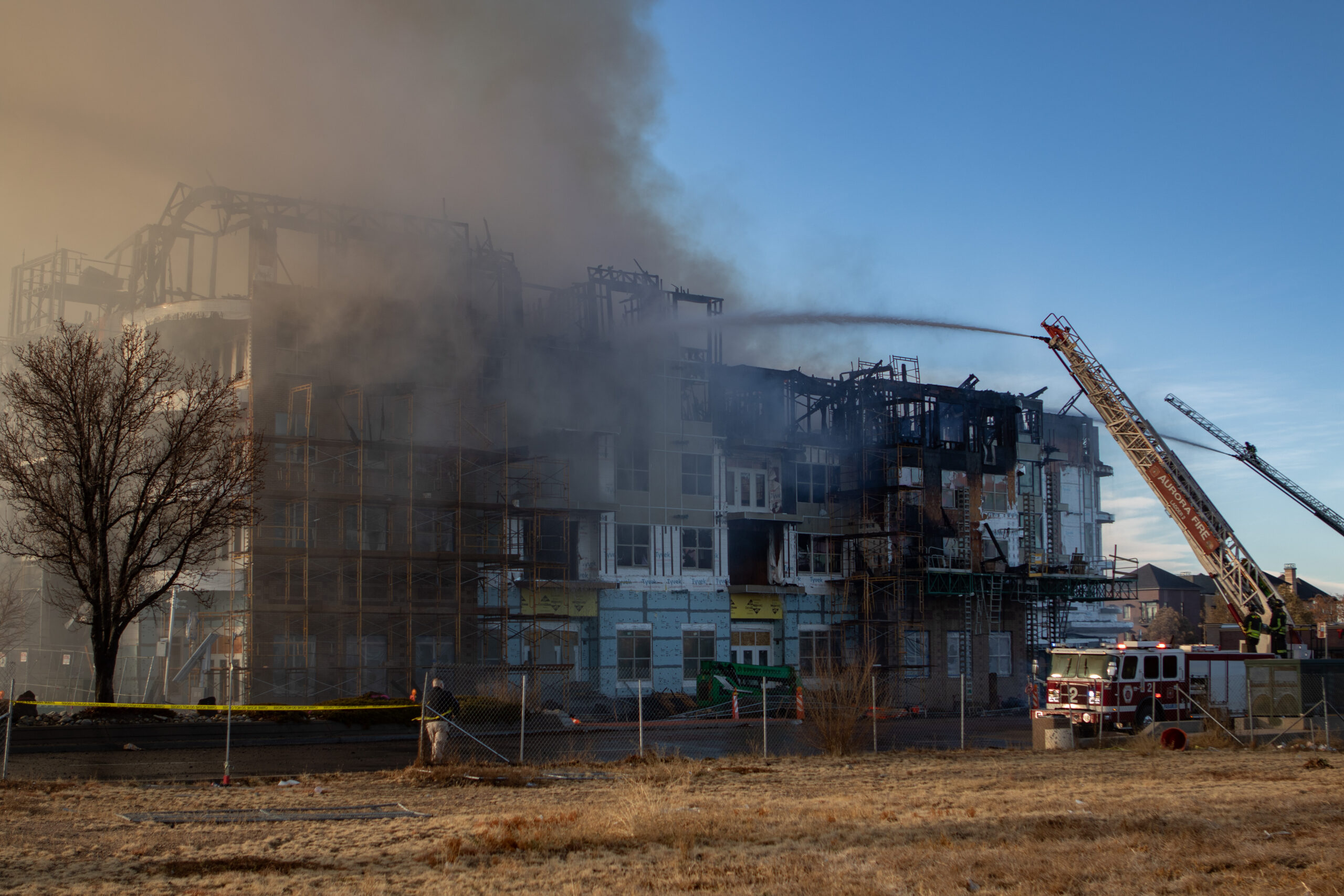
Fire Service
From company officers to division chiefs, we work with fire departments on shift cohesion, supervisor development, and the leadership culture that carries through from the station to the scene.
Law Enforcement
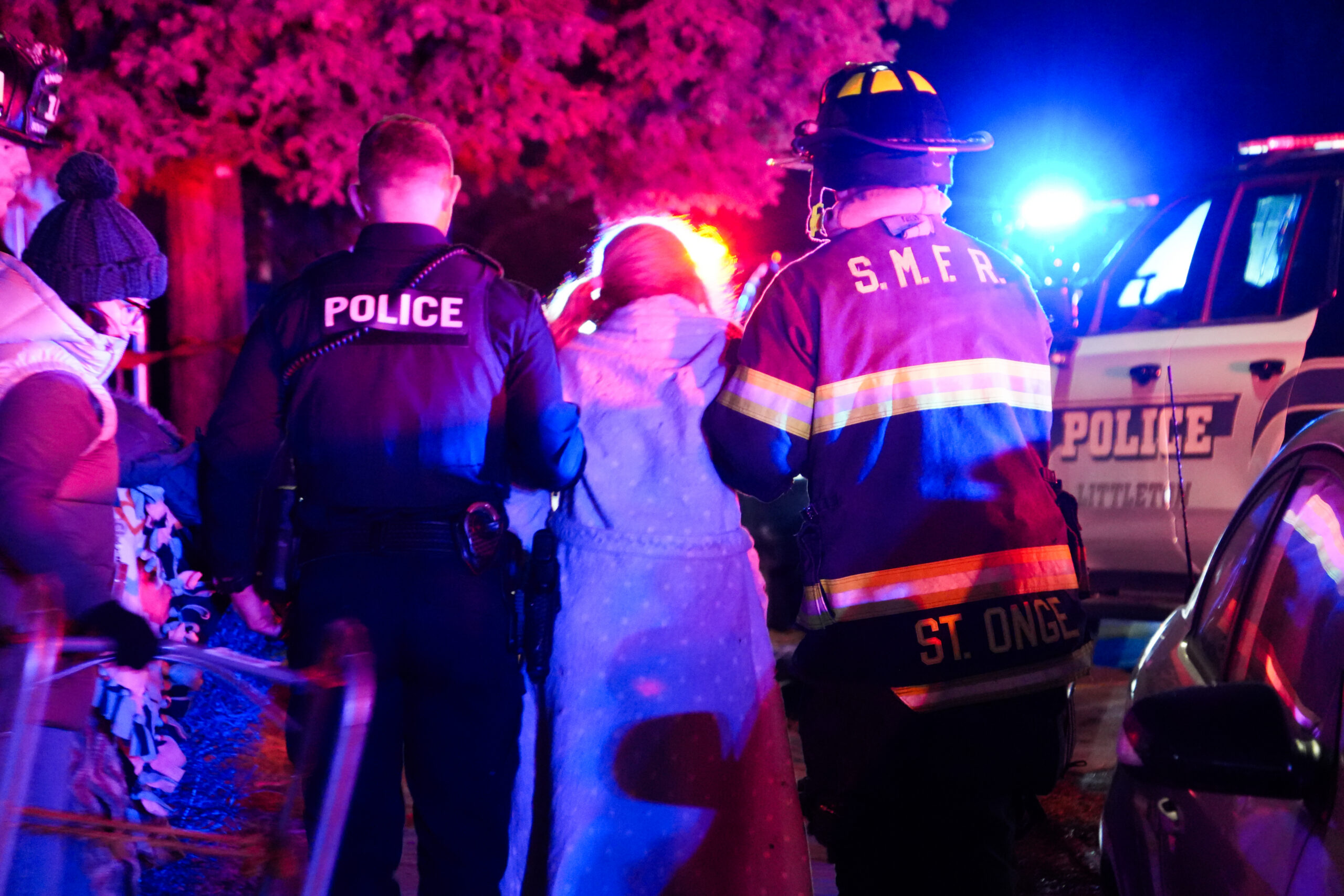
From shift supervisors to command staff, we help law enforcement leaders build the psychological safety and outcome-focused mindset that supports de-escalation, officer wellness, and retention.
EMS & Emergency Communications
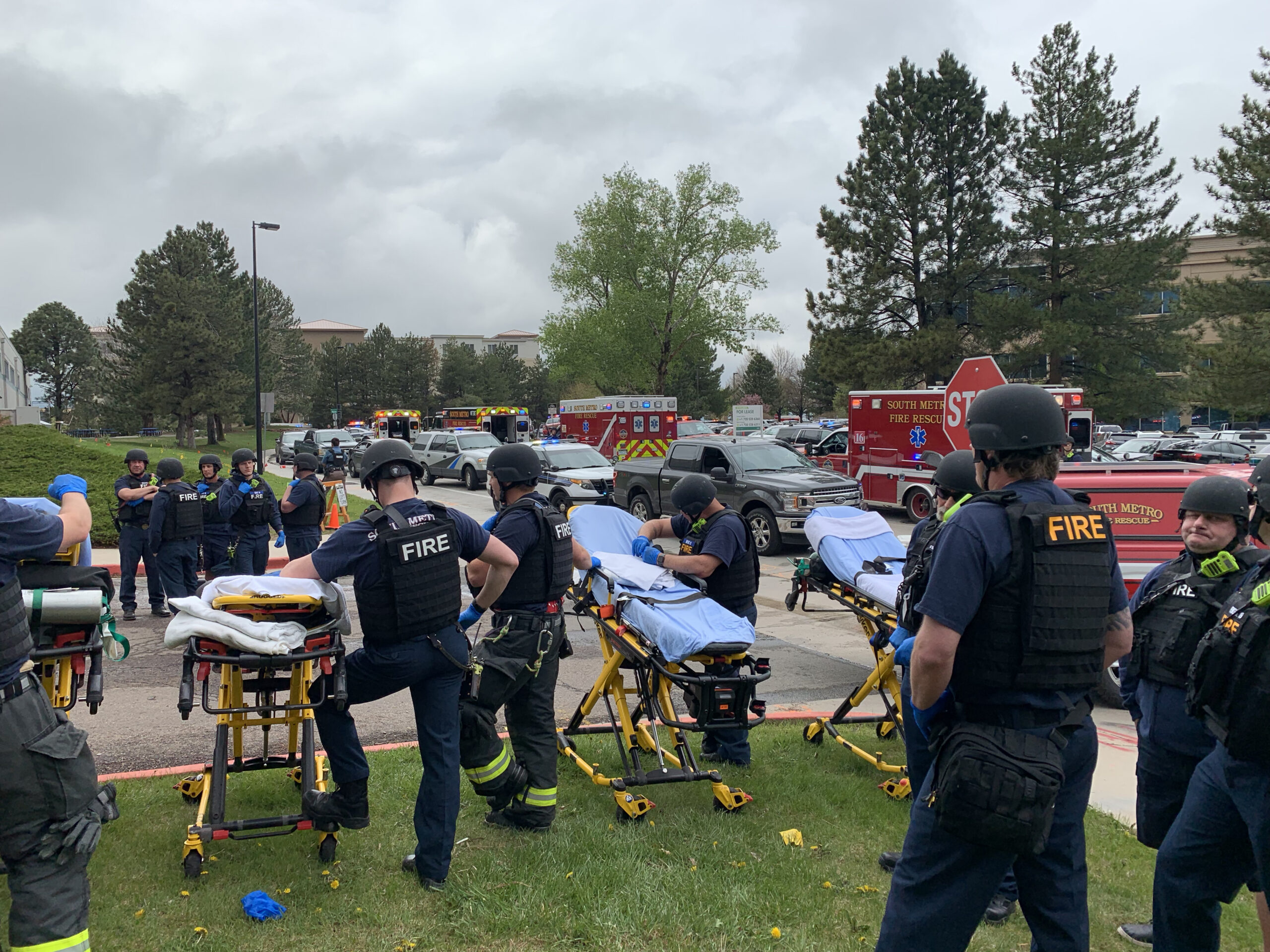
High-volume, high-stakes environments where the entire job is problem-focused. We help EMS and dispatch leaders shift that orientation from reactive to creative — so the team leads itself as well as it responds to calls.
What We Do, And How It Works
We offer three primary ways to work together, depending on where your agency is and what you need most.
The 3 Vital Questions® Training
A half-day or full-day training for supervisors, shift leaders, and command staff. Grounded in research on reactive versus creative leadership, it gives your team a shared framework for making better decisions under pressure — from how they handle a difficult community encounter to how they lead a shift debrief.
This is the training South Metro Fire Rescue’s Emergency Communications division used to shift from problem-focused to outcome-focused team leadership. The team handles high-volume fire and medical dispatch across the region — a role where finding problems and routing responses is the entire job. Getting supervisors across three distinct shifts to apply that same urgency to how they lead their teams produced a measurable shift in cohesion, conflict handling, and shared leadership culture.
The 3 Vital Questions® is a licensed framework from 7th Generation Enterprises.
Evolve2LEAD: Leadership Development for Supervisors and Mid-Level Command
An 8-module leadership development program developed by Empower2Evolve for leaders in command-structured organizations. Covers the behavioral dimensions of de-escalation, psychological safety across shift-based teams, delegation, officer wellness, and mindful leadership under sustained pressure.
Designed to be delivered over time — not as a single off-site — so the learning integrates into the actual work environment rather than disappearing when participants return to the field.
Executive Coaching for Command Staff
One-on-one coaching for Chiefs, Commanders, and senior leaders navigating organizational change, promotion transitions, culture challenges, or personal leadership development. Ann Mosso and Scott Richardson bring peer-level experience to these conversations — Scott from 36 years of fire service command, Ann from executive leadership across professional services, nonprofit, and operations.
Ready to talk with someone who has actually led in your environment?
30 years of fire service command. No corporate frameworks. Just peer-level insight from someone who has carried the weight of the role.
What Happens When the Work Lands
“We went from fixing problems to creating solutions — together.”
The 3 Vital Questions® training gave us a methodology to use to focus on outcomes outside of the 911 calls, and taught us the roles of Creator, Challenger and Coach. After the training, people started asking questions from a place of curiosity, not from judgement, and really embodying the Coach role. This change in focus helped me build a high functioning team.
I am consistently looking at things from an outcome-based mindset now, allowing me to drive projects forward more easily, and building trusting, collaborative relationships across departments.
Peer-Level. Not Consultant-Level.
Scott Richardson is a 36-year emergency services veteran, Desert Storm combat medic, and Division Chief of Special Operations at South Metro Fire Rescue — currently leading 11 specialized operations teams. His work has included leadership of SWAT Medic operations in coordination with regional law enforcement agencies, giving him direct working knowledge of law enforcement culture and command structure alongside his fire service foundation.
Scott built his leadership practice on a principle the fire service takes seriously: every experience is a learning opportunity, if you’re disciplined enough to examine it. After Action Reviews are standard practice in emergency services for a reason — the debrief after the incident is where the team gets better. Scott brings that same discipline to leadership development: structured reflection, honest assessment, and a commitment to carrying the lesson forward.
Ann Mosso brings 30+ years of executive leadership experience — eight years at PwC including Senior Manager in London, senior executive roles across professional services and operations, and five years as Board President of Child Advocates Denver CASA, where the organization doubled in size under her leadership.
Together, they built Empower2Evolve because they had both lived in high-pressure, high-stakes environments and found that the leadership development available to those environments didn’t match what those environments actually needed.
If You Lead an Emergency Services Organization, Let's Talk.
We offer complimentary introductory conversations for commanders, chiefs, and directors who want to understand whether this work fits their agency’s current needs. No pitch. No proposal until you want one. Just an honest conversation between practitioners.