
Under Pressure: Leadership Lessons from the Fire Service

What 40 years of high-stakes command experience teaches about leading people when the margin for error is zero.

Part of the EMPOWER2Evolve Leadership Labs.  Read. Reflect. Apply. Come back

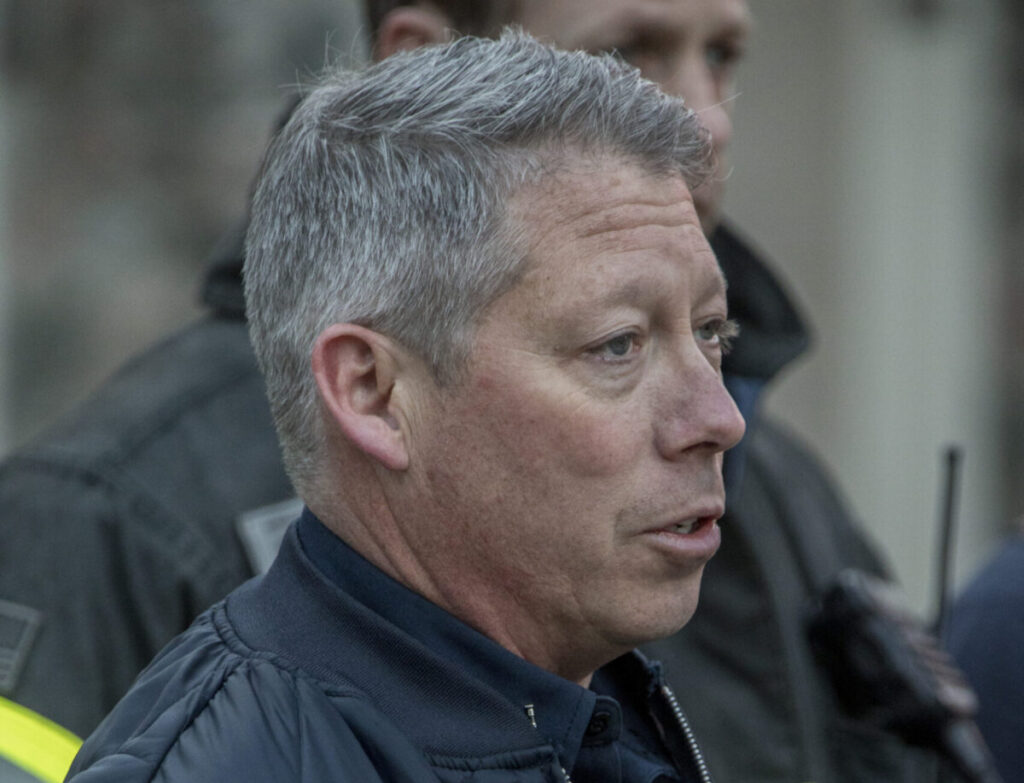
Scott Richardson commanding an incident.

Why This Matters

First responder leadership is not a metaphor. When the tones drop and the crew is rolling, every decision made in the next few minutes has real consequences. There is no time for ambiguity, ego, or reactive patterns that haven’t been trained out. The leaders who operate in these environments have something most corporate leadership programs never teach: they know exactly what it costs when leadership fails.

That’s what makes this series different. Scott Richardson brings 40 years of military and fire service experience, including 20 years as a fire officer and most recently as a Division Chief of Special Operations, to the frameworks and questions that already inform the best leaders in any field. The 3 Vital Questions® and The Empowerment Dynamic (TED*)™ aren’t soft concepts in this context. They are the difference between a crew that functions under pressure and one that fractures.

But this isn’t only for fire. EMS, law enforcement, and emergency communications professionals deal with the same command dynamics, the same shift culture challenges, and the same stigma around asking for help. If you lead people through high-stakes situations, this is written for you.

Research from the Firefighter Behavioral Health Alliance shows that firefighters are three times more likely to die by suicide than in the line of duty. Leadership culture is not separate from that statistic. It is part of the cause, and it can be part of the solution.

Key Concepts

Command as Creator

The most effective incident commanders don’t just manage what’s in front of them. They lead toward an outcome. The Creator role from The Empowerment Dynamic (TED*)™ maps directly to the IC who is always asking: what do we need to create here? Not just what do we need to stop.

The Thermostat vs. the Thermometer

Reactive leaders reflect the temperature of the scene. Effective leaders set it. This concept, central to the Under Pressure series, is the difference between a command presence that steadies the crew and one that amplifies the chaos.

Shift Culture and the Unspoken Rules

Every firehouse has a culture. Most of it was never written down. The norms around help-seeking, emotional expression, and accountability shape everything from performance to retention to mental health outcomes. Naming those norms is the first step to changing them.

Inward vs. Outward Mindset in Command

Drawing on the Arbinger Institute’s framework, an outward mindset leader sees their crew as people with real pressures, goals, and limits, not just resources to deploy. In high-stakes environments, that distinction is not philosophical. It is operational.

The Drama Triangle in Public Safety Culture

The Rescuer role is deeply embedded in first responder identity. It is also one of the most common sources of leadership dysfunction in the firehouse. When leaders can’t stop fixing, they build crews that can’t solve problems. The 3 Vital Questions® framework, a registered trademark of Seven Generations Leadership, Inc., gives first responder leaders the language to recognize this pattern and shift it. 3 Vital Questions® and The Empowerment Dynamic (TED*)™ are registered trademarks of Seven Generations Leadership, Inc. Used with permission.

Leading a Culture Where Asking for Help Is Not Weakness

The most dangerous thing in a firehouse is a culture where no one admits they’re struggling. First responder leadership in 2026 requires officers who model help-seeking behavior, not just mandate it. That starts at the top of the command structure.

Frequently Asked Questions

These are the questions that don’t always get asked out loud in the firehouse, the precinct, or the dispatch center. First responder leadership carries a particular weight: the expectation that you already have the answers, that asking for help is a sign of weakness, and that the skills that make you a great responder are the same ones that make you a great leader. Sometimes they are. Sometimes they’re the exact thing getting in the way. If one of the questions here is one you’ve been carrying, that’s exactly where first responder leadership development starts.

First responder leadership operates in environments where decisions are irreversible, crews are interdependent, and the cost of reactive patterns is immediate and visible. The same psychological dynamics that affect leaders in any organization, including the Drama Triangle, the FISBE loop, and the pressure to rescue rather than empower, show up in the firehouse and the field. What’s different is the stakes, the culture, and the degree to which those patterns have been normalized.

Yes, with the right translation. The 3 Vital Questions® framework developed by Seven Generations Leadership, Inc. applies wherever people lead other people under pressure. The Under Pressure series exists specifically to apply these concepts in command structure language, using scenarios and culture references that fire, EMS, law enforcement, and emergency communications professionals recognize from their own experience.

Shift culture is one of the most powerful and least examined forces in public safety organizations. The norms around toughness, self-sufficiency, and hierarchy shape how feedback is given, how mistakes are processed, and whether anyone ever admits they’re struggling. A first responder leader who doesn’t understand their own shift culture can’t change it. And a culture that doesn’t change eventually costs lives.

Everything. Firefighters are three times more likely to die by suicide than in the line of duty. That statistic lives inside a leadership culture. Officers who model help-seeking, who normalize access to support, and who understand the difference between pushing their people and breaking them are doing leadership work that matters beyond performance metrics. This series addresses that directly.

The first step is a conversation. EMPOWER2Evolve works with first responder organizations to bring the 3 Vital Questions® framework, leadership coaching, and culture assessment into departments and agencies in a way that respects the insider credibility this audience requires. Scott Richardson brings that credibility. Ann Mosso brings the coaching and program structure. Together they offer something most leadership consultants cannot.

Blog Posts in This Series

Ready to develop leaders your crew can count on?

Whether you’re looking for a structured program, individual coaching, or a way to shift the culture in your department or agency, we can help you figure out where to start. The first step is a conversation.